
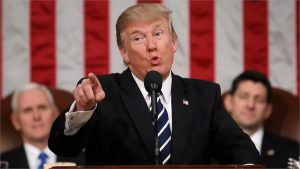
Washington: Amidst the ongoing tensions between the United States (US) and Iran, a significant diplomatic development has unfolded. US President Donald Trump has extended the deadline for potential attacks on Iran’s energy facilities until April 6, 2026. This decision comes at a time when dialogue between the two nations is ongoing and the geopolitical atmosphere remains highly sensitive.
Decision Taken at Iran’s Request: Trump
The US President explicitly stated that this decision was made at Iran’s request and that the negotiations are progressing very well. Writing on his social media platform, he asserted that the negative reports circulating in the media are inaccurate and that, in reality, the talks are moving in the right direction. Previously, he had issued a 48-hour ultimatum to Iran to reopen the Strait of Hormuz for oil tankers, warning that failure to do so would result in severe attacks. However, this deadline has now been extended twice, clearly indicating that the US currently wishes to prioritize diplomacy over military action.
Iran Sets Its Conditions in Talks with the US
On the other hand, Iran has also laid down its own conditions during the negotiations. According to Iranian media reports, Tehran has demanded that the US and Israel first cease all attacks targeting Iran and its allied organizations. Furthermore, Iran has demanded compensation for damages incurred during the conflict, as well as recognition of its sovereignty over the Strait of Hormuz. These conditions are considered quite stringent and go significantly beyond the proposals put forward by the US.
Trump Maintains Firm Stance Amidst Negotiations
Meanwhile, US envoy Steve Witkoff revealed that a 15-point plan for negotiations with Iran has been conveyed through Pakistan, and some positive signals have been received. However, a palpable lack of trust remains evident between the two sides. While Trump has spoken of dialogue on one hand, he has simultaneously maintained a firm and tough stance on the other. He stated that if an agreement is not reached, Iran will be completely destroyed. Furthermore, he added that the United States could seize control of Iran’s oil resources—much as it previously did in Venezuela. This makes it clear that the U.S. is simultaneously pursuing a strategy of pressure.
Meanwhile, concerns regarding this conflict have also begun to mount within Israel. Opposition leader Yair Lapid accused the government of placing excessive pressure on the military and of fighting on multiple fronts without a coherent strategy. He warned that the military lacks sufficient troops and that the situation could become perilous.
What is the current situation in Iran?
Conditions on the ground remain extremely tense. Iran is facing continuous airstrikes, with reports indicating the death of Alireza Tangsiri—a senior naval commander within its Revolutionary Guards—during these attacks. Additionally, explosions and attacks continue to rock several Iranian cities. Conversely, Iran is also engaging in retaliatory strikes, launching missile and drone attacks against Gulf nations, thereby escalating fear and instability across the region.
Share:












Indore (HO)
Bhopal
Jabalpur


©2026 Agnibaan , All Rights Reserved