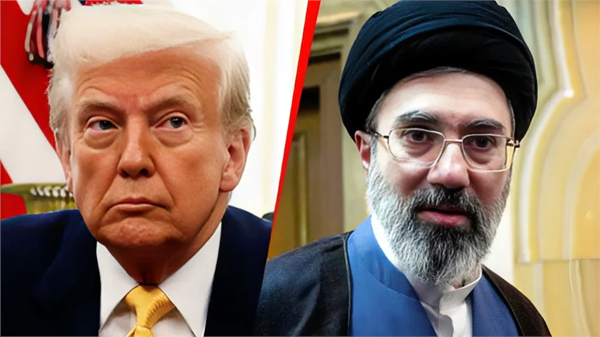

New Delhi: While the conflict in the Middle East may appear to be subsiding—at least on paper—the situation on the ground remains extremely tense. Just hours after US President Donald Trump announced a ceasefire, alert sirens suddenly began blaring across the Gulf nations. Security agencies throughout the entire region—spanning from Kuwait to Saudi Arabia, the United Arab Emirates, and Qatar—sprang into action simultaneously. The Israeli military also reported that missiles had been fired from the direction of Iran.
It appeared as though the conflict, rather than ending, had instead entered a new and uncertain phase. The Kuwaiti military explicitly stated that its air defense systems were actively intercepting “enemy missile and drone attacks.” Meanwhile, in Bahrain, the Ministry of Interior sounded sirens and urged the public to immediately seek shelter in safe locations.
Saudi Arabia’s Civil Defense agency also issued early warnings across its eastern regions and the capital, Riyadh, creating an atmosphere of fear among the general public. On the other hand, the United Arab Emirates confirmed that its air defense systems were actively engaged in “intercepting incoming missile and drone attacks from Iran.”
Qatar went so far as to directly advise its citizens to remain indoors and declared the security threat level to be “High.” This serves as a clear indication that, despite the declared ceasefire, the reality on the ground remains extremely precarious.
Meanwhile, the Israeli military also claimed to have detected missiles fired from Iran and stated that efforts to intercept them are currently underway. According to Israeli media reports, attacks from Iran could potentially continue until the Strait of Hormuz is fully reopened.
Indeed, this very strait has emerged as the central focal point of this entire conflict. A significant portion of the world’s oil supply flows through this route, and its closure could destabilize the global economy.
Iran’s Foreign Minister, Abbas Araqchi, has indicated that if the United States and Israel halt their attacks, Iran, too, could suspend its military operations across the entire Gulf region. He further stated that safe passage through the Strait of Hormuz could be restored within two weeks, provided that coordination is maintained.
However, Iran has also made it clear that dialogue with the United States does not signify the end of the war. According to Iranian media, the conflict will not be considered fully resolved until all conditions outlined in a 10-point plan have been finalized.
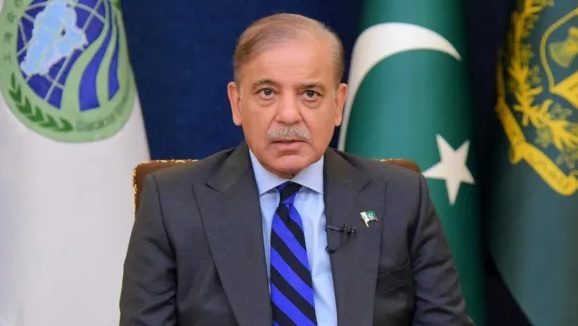
Interestingly, there is speculation that talks between the United States and Iran may take place in Pakistan. Should these negotiations progress, the ceasefire could potentially be extended further. However, given the current circumstances, it remains difficult to predict the extent to which these diplomatic efforts will prove successful.
Share:









Indore (HO)
Bhopal
Jabalpur


©2026 Agnibaan , All Rights Reserved