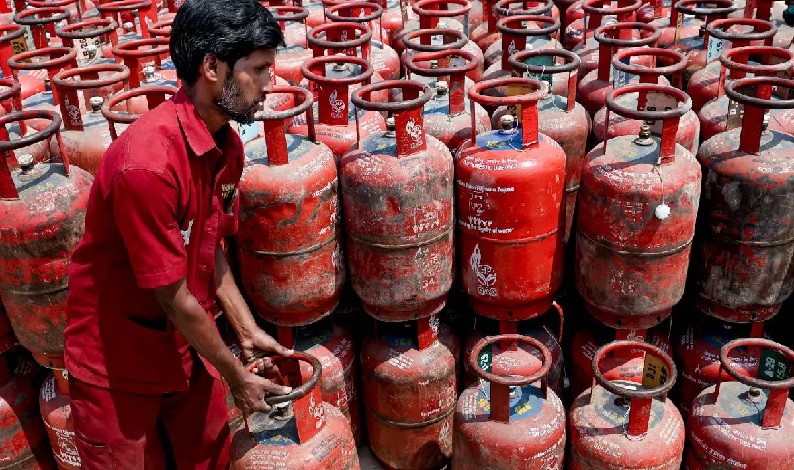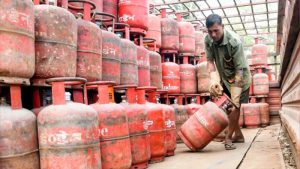


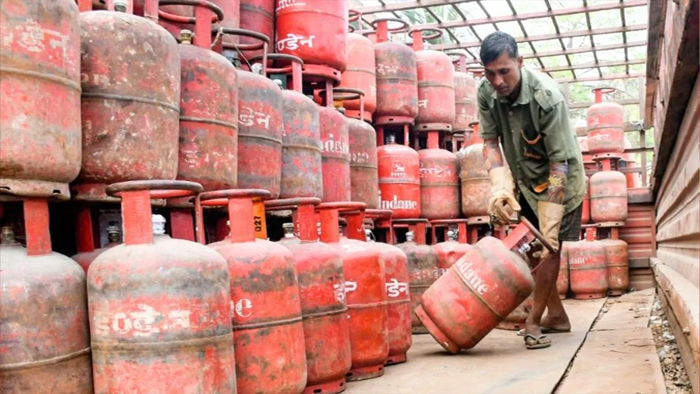
New Delhi. The repercussions of the ongoing conflict in the Gulf region are now becoming visible in India as well. Restrictions imposed by Iran on the Strait of Hormuz have disrupted the global energy supply chain. The Middle East—widely regarded as a major global producer and supplier of oil and gas—is currently embroiled in a state of war. Oil and gas refineries in several locations are being targeted, thereby upsetting the balance of imports and exports. This situation is having a direct impact on India. Due to a shortage of LPG within the country, people in many areas are being forced to stand in long queues to procure gas cylinders. The government, too, has been compelled to modify certain regulations pertaining to gas distribution.
Milk Supply Under Threat Amidst the Gas Crisis
As the energy crisis deepens, concerns within the dairy sector have escalated. Dairy operators report that the shortage of LPG is adversely affecting milk processing, pasteurization, and packaging operations. If the situation does not normalize soon, milk supplies could face disruption in the coming days. They warn that if the gas crisis persists for an extended period, the situation could become even more critical within the next 10 days.
Growing Difficulties for the Dairy Industry
To ensure milk remains safe and fit for consumption over an extended period, it undergoes pasteurization—a process involving heating the milk to a precise temperature—which requires substantial quantities of LPG. Furthermore, gas is also utilized in the manufacturing processes for plastic packaging and cartons used for milk.
Due to the gas shortage, companies are facing significant difficulties in producing packaging materials. The dairy sector in Maharashtra is reported to be the most severely affected by this issue. According to Devendra Shah, Founder of Govardhan Dairy, they currently possess a stock of packaging materials sufficient for only 10 days. If a solution is not found promptly, milk packaging and distribution operations could face severe disruptions. Why Did the Energy Crisis Arise?
India relies heavily on imports to meet its energy requirements. The country procures crude oil from over 40 nations, and a significant portion of its natural gas supply originates from the Middle East. India fulfills approximately 88% of its crude oil needs, 50% of its natural gas requirements, and 60% of its LPG demand through imports.
Following the outbreak of conflict between Israel and Iran on February 28, Iran closed off the Strait of Hormuz. This vital waterway handles nearly 20% of the global energy supply and accounts for approximately 50% to 55% of India’s oil and gas imports. Consequently, its closure has disrupted the import of oil and gas into India, compelling the nation to rely on its reserve stocks.
The Government of India is currently engaged in diplomatic dialogue with Iran in an effort to safely facilitate the passage of gas-laden vessels through the Strait of Hormuz. Two LPG-carrying vessels—the ‘Shivalik’ and the ‘Nanda Devi’—have already arrived in India, while preparations are underway to facilitate the safe transit of other vessels through this route as well.
Share:







Indore (HO)
Bhopal
Jabalpur


©2026 Agnibaan , All Rights Reserved