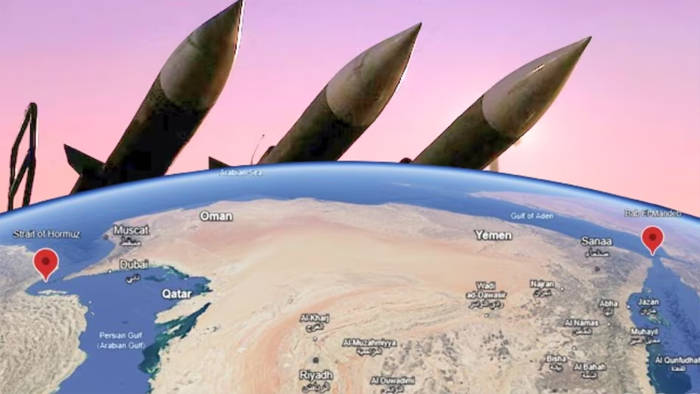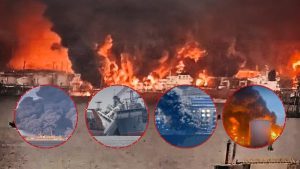


Washington. Amid rising tensions between the US and Iran in the Middle East, US military activities in the region have intensified. Recent satellite imagery indicates that the US has increased the deployment of military resources to its strategic bases around Iran—particularly in Qatar and Jordan.
The number of aircraft and equipment at this base increased in February 2026 compared to January. Satellite data recorded the presence of the following military assets:
RC-135 reconnaissance aircraft
3 C-130 military transport aircraft
18 KC-135 Stratotankers (air refueling aircraft)
7 C-17 Globemaster heavy transport aircraft
Approximately 10 Patriot air defense units mounted on HEMTT vehicles
Increased deployment at Muhafaq Air Base in Jordan
Indicates an increased US military presence at Muhafaq Air Base in Jordan. The following platforms were visible in satellite imagery:
F-15E Strike Eagle fighter aircraft
A-10 ground-attack aircraft
C-17 and C-130 transport aircraft
EA-18G Growler electronic warfare aircraft
Experts say such a mixed deployment (logistics + air strike + electronic warfare) demonstrates rapid operational capability in the event of a potential conflict.
The Strategic Meaning of Mobile Missile Deployment
According to defense analysts, placing missile systems on mobile platforms rather than fixed bases indicates that the US wants to increase defense, response, and operational flexibility against potential missile attacks.
This move is believed to be in response to the growing risks in the regional security environment and Iran’s missile capabilities.
Iran’s Warning and Growing Missile Capability
According to reports, Iran has also strengthened its ballistic and cruise missile capabilities in recent years and has indicated that it could target US bases in the region in the event of a military attack. This has further increased tensions regarding the balance of power in the region.
What is the Patriot Air Defense System?
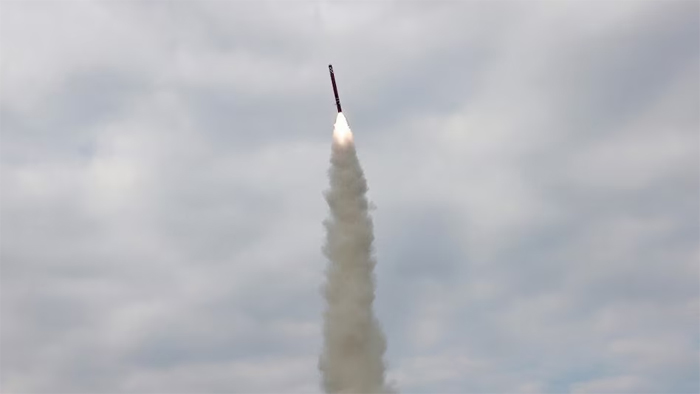
Patriot (Phased Array Tracking Radar to Intercept on Target – MIM-104) is a long-range air defense system developed to intercept the following threats:
Tactical ballistic missiles
Cruise missiles
Fighter aircraft
Developed by American companies Raytheon and Lockheed Martin, the system can rapidly detect and intercept targets and is capable of changing its location under high-alert conditions.
It is used by the United States and several allies—such as Germany, Japan, Israel, Saudi Arabia, Qatar, the UAE, Poland, South Korea, and Spain.
It has been used in conflict zones before.
The Patriot system was used in Kuwait during the 2003 Iraq War, where surface-launched missiles were intercepted using PAC-3 missiles.
Following drone attacks on Saudi Arabia’s oil facilities in 2019, the US also deployed additional Patriot batteries and THAAD (Terminal High Altitude Area Defense) systems.
Regional Signals: Preparation or Pressure Strategy?
Security experts believe this deployment may not be a direct declaration of war, but rather part of a strategy of “deterrence”—aimed at deterring a potential attack and providing security assurances to regional allies.
Conclusion
These military signals revealed in satellite imagery reflect growing strategic competition and uncertainty in the Middle East. Diplomatic negotiations, regional security dynamics, and military balance will determine the course of these tensions in the future.
Share:













Indore (HO)
Bhopal
Jabalpur


©2026 Agnibaan , All Rights Reserved