
New Delhi: India has witnessed a substantial reduction in its foreign exchange reserves and gold reserves. According to the latest data from the Reserve Bank of India (RBI), the country’s forex reserves fell by $5.654 billion to $666.933 billion for the week ending June 26, 2026; notably, in the preceding week, forex reserves had risen by $963 million to reach $672.587 billion.
The RBI reported a $150 million decline in Foreign Currency Assets (FCA)—the largest component of the forex reserves—bringing the figure down to $541.067 billion. Fluctuations in the value of non-US currencies like the Euro, Pound, and Yen also impacted the overall foreign currency asset valuation.
Sharp Decline in Gold Reserves
Additionally, the most significant drop was recorded in gold reserves over the week. Gold reserves fell by $5.394 billion to $102.536 billion. Meanwhile, the value of Special Drawing Rights (SDRs) decreased by $89 million, settling at $18.558 billion. Furthermore, India’s reserve position with the IMF declined by $21 million to $4.7772 billion.
Forex Reserves Were at a Record High in February
It is worth noting that in the week ending February 27, 2026, India’s forex reserves had touched a record high of $728.494 billion. However, rising tensions and conflict in West Asia subsequently exerted persistent pressure on the rupee. To curb the rupee’s depreciation, the RBI implemented several measures—including the sale of dollars—which contributed to the decline in forex reserves.
Why Did Gold Reserves Drop?
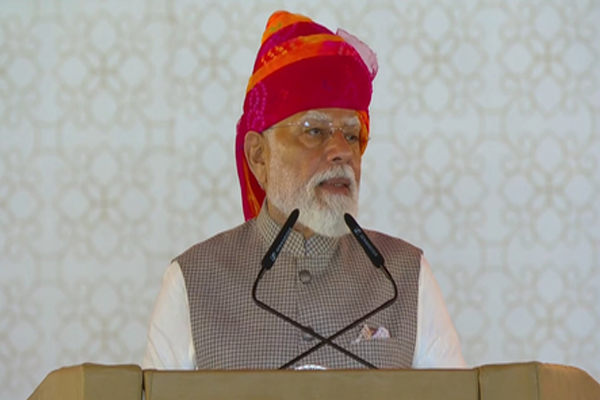
Separately, on May 11, Prime Minister Narendra Modi appealed to the public to reduce foreign travel in order to alleviate the crisis facing the country. Reduce the use of petrol and diesel vehicles and stop purchasing gold to minimize foreign exchange outflow and cut import costs. Subsequently, import duties on gold were sharply increased; this led to a decline in gold imports and a reduction in gold reserves.
Share:












Indore (HO)
Bhopal
Jabalpur


©2026 Agnibaan , All Rights Reserved