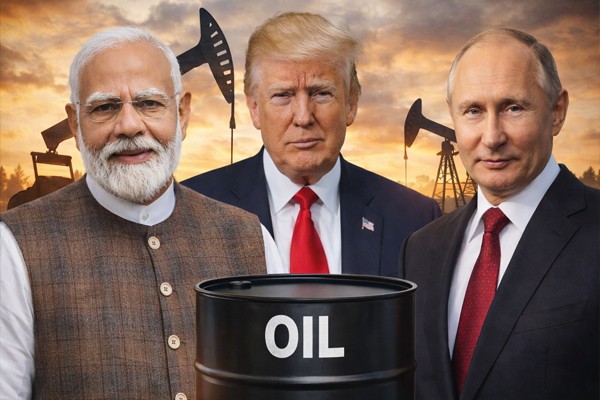

New Delhi: In a move aimed at safeguarding domestic sugar supplies, the government has excluded ethanol produced from sugarcane juice, sugar syrup and B-heavy molasses from the latest procurement tender for the 2026–27 supply year. The decision signals a shift in the raw material mix used for India’s petrol-blending programme amid concerns over sugar production and availability.
Oil Companies Float Tender for 1,100 Crore Litres of Ethanol
On October 16, Bharat Petroleum Corporation Limited (BPCL), on behalf of public sector oil marketing companies (OMCs), issued a tender seeking approximately 11 billion litres (1,100 crore litres) of ethanol for the supply year beginning in November. The procurement is intended to support the country’s target of blending 20% ethanol with petrol.
However, the latest tender excludes ethanol manufactured from sugarcane juice, sugar syrup and B-heavy molasses, temporarily restricting procurement from these sugarcane-based sources.
Maize and Rice-Based Ethanol Remain Eligible
Under the revised procurement strategy, suppliers can offer ethanol produced from maize, broken rice, surplus rice procured by the Food Corporation of India (FCI), and C-heavy molasses.
The tender also reduces the incentive price for maize-based ethanol to ₹68.86 per litre, compared with the earlier rate of ₹71.86 per litre. This change could influence procurement decisions and the economics of ethanol production for suppliers.
Sugar Availability Drives Policy Shift
The decision comes amid concerns about the availability of sugar in the domestic market. Maharashtra and Karnataka, two of India’s major sugar-producing states, have reportedly faced inadequate rainfall, raising concerns about sugarcane output and the possibility of higher sugar prices.
By restricting procurement of ethanol made from certain sugarcane products, the government appears to be prioritising the availability of sugar for domestic consumption while encouraging greater reliance on grain-based feedstocks.
What Does This Mean for India’s Ethanol-Blending Programme?
India’s ethanol-blending initiative aims to reduce dependence on imported crude oil, conserve foreign exchange and lower vehicular emissions. The programme has traditionally relied on ethanol produced from both grain and sugarcane-based feedstocks.
The latest tender changes the permitted raw material mix rather than, by itself, establishing a suspension of the overall petrol-blending programme. With grain-based ethanol continuing to qualify, the impact on the 20% blending target will depend on procurement volumes, production capacity and the availability of alternative feedstocks.
The decision also highlights the challenge of balancing India’s energy security objectives with the need to maintain adequate domestic sugar supplies.
Share:







Indore (HO)
Bhopal
Jabalpur


©2026 Agnibaan , All Rights Reserved