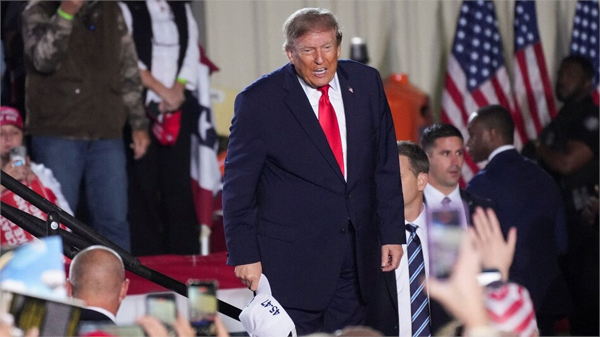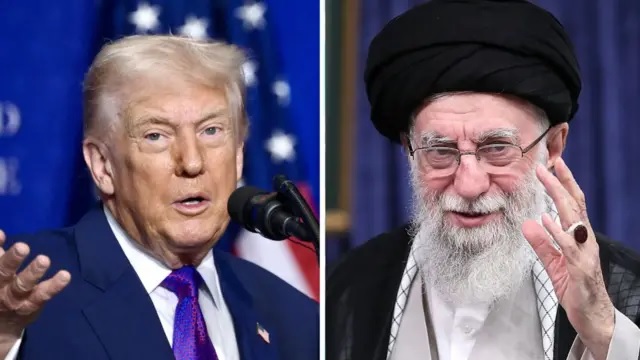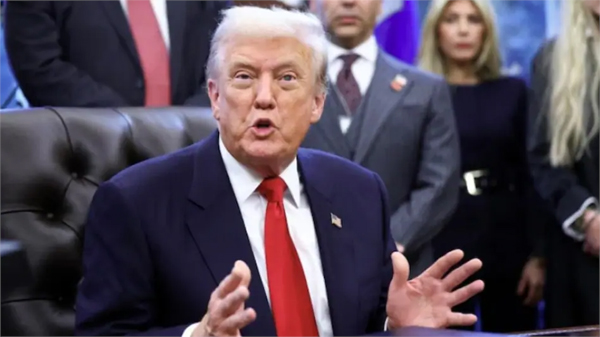


Washington. Tensions have flared once again in the ongoing conflict between the United States and Iran. US President Donald Trump announced on Friday that the US military had carried out new, limited strikes against Iran, targeting its air defense systems. Trump described the military action as minor, noting that the US military destroyed a new anti-aircraft system—recently developed by Iran—within a matter of minutes.
According to Iranian state media, two explosions were heard in the Suza area of Qeshm Island, located in the Strait of Hormuz. Speaking to reporters upon his arrival in West Palm Beach, Florida, on Friday evening, Trump stated that Iran had constructed some anti-aircraft equipment, which the US military neutralized in roughly five to 15 minutes.
First Military Action Following Election Defeat
These strikes mark the first military action taken since the crushing defeat suffered by Trump’s Republican Party in the US midterm elections. The party faced a significant setback in Tuesday’s polls—a result partly attributed to voter dissatisfaction regarding the ongoing conflict with Iran and rising fuel prices.
Following the electoral defeat, a shift has been observed in Trump’s rhetoric; at times, he has threatened the total destruction of Iran, while at other times, he has hinted that the conflict might be nearing its end.
Qatar Presents New Proposal to Iran
While the United States continues its military operations, diplomatic efforts to bring the conflict to an end have also intensified. According to Qatari officials, Iran is currently reviewing new proposals aimed at resolving differences with the US regarding its nuclear program. Qatar is playing the role of the primary mediator in this matter. However, Iran is currently not prepared to initiate talks with the Trump administration regarding its nuclear program. Tehran has set forth certain conditions that it wishes to incorporate into any potential ceasefire agreement.
Iran’s key demands include ending the U.S. naval blockade of its ports, lifting economic sanctions, returning seized assets, providing compensation for war-related damages, and halting conflicts across the region—including Israeli military operations in Lebanon.
*Seeking a Path to Negotiations Through a Two-Day Agreement*
According to regional officials, Qatari mediators have proposed a potential interim agreement to both the United States and Iran. The objective is to pave the way for further discussions concerning the nuclear program.
Under this proposal, specific confidence-building measures are to be implemented over the first two days:
*Day One:* The United States would lift the blockade on Iranian ports and release several billion dollars from Iran’s previously seized assets. In exchange, Iran would grant International Atomic Energy Agency (IAEA) inspectors access to nuclear sites that had previously been subjected to U.S. and Israeli airstrikes.
*Day Two:* Iran would agree to reopen the Strait of Hormuz. This would be implemented based on a revised agreement previously drafted between Iran and Oman.
This arrangement would be temporary. It would be followed by comprehensive negotiations between the United States and Iran, covering issues such as Iran’s stockpiles of highly enriched uranium and other aspects of its nuclear program.
Share:












Indore (HO)
Bhopal
Jabalpur


©2026 Agnibaan , All Rights Reserved