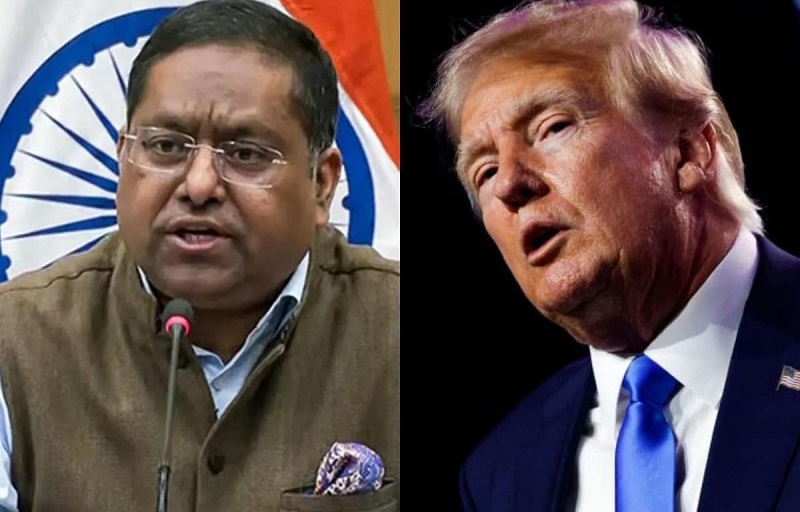

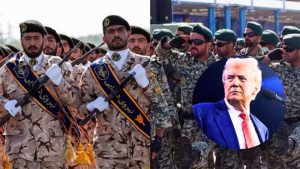
New Delhi: Amidst the ongoing standoff with Iran, President Donald Trump has made a major claim. He stated that Iran is on the verge of economic collapse and that its army and police forces are unable to receive even their salaries. Writing on his social media platform, Trump asserted that Iran is suffering losses of approximately $500 million every day. According to him, due to pressure at the Strait of Hormuz and a naval blockade, Iran’s revenue stream has virtually dried up; the situation has now deteriorated to such an extent that resentment is brewing even within the security forces.
However, Trump did not present any concrete evidence to substantiate this claim. Nevertheless, this statement comes at a time when the United States is intensifying both economic and military pressure on Iran. Indeed, the U.S. strategy appears quite clear: it aims to weaken Iran not only through direct military confrontation but also on the economic front.
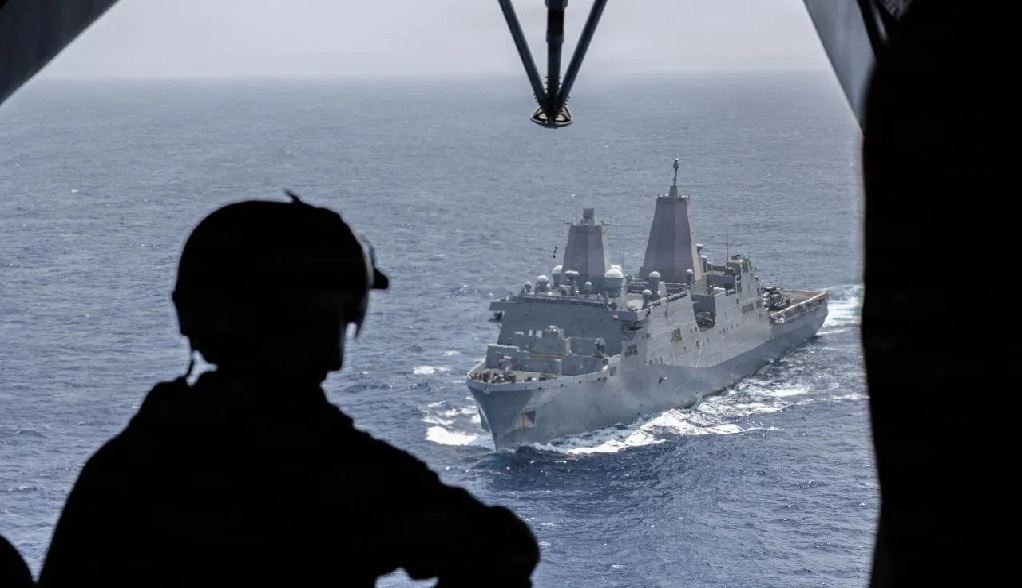
Officials associated with the U.S. Treasury have also stated that the blockade imposed on Iran’s ports is targeting the country’s primary revenue lifeline. In particular, Kharg Island is considered the “heart” of Iran’s oil industry. It is reported that approximately 90% of the country’s oil exports originate from this location. If storage facilities there reach capacity and supplies are halted, it has a direct and immediate impact on Iran’s national income.
The United States has declared that it will take action against any vessel or individual attempting to provide economic assistance to Iran. In other words, the encirclement is not merely military in nature; an economic siege is also being pursued with full force. Meanwhile, the U.S. has also imposed sanctions on specific individuals and companies involved in oil supply operations.
Amidst these developments, Trump has taken another significant decision: he has temporarily extended the ongoing ceasefire with Iran. Notably, he had previously and repeatedly asserted that the ceasefire would not be renewed. According to reports, this decision was taken to allow more time for the ongoing diplomatic negotiations being facilitated through Pakistan.
It was suggested that there are divergent views currently circulating within Iran, and the country requires additional time to formulate a unified proposal. Additionally, the United States is also attempting to mitigate the impact domestically. The Trump administration is considering relaxing the Jones Act to boost fuel supplies via foreign vessels and help keep rising prices in check.
However, it remains unclear to what extent Trump’s claims are accurate. What is certain, however, is that the pressure being exerted regarding the Strait of Hormuz and the oil trade has undoubtedly taken a toll on Iran’s economy. It now remains to be seen whether this pressure compels Iran to come to the negotiating table or if the confrontation escalates further.
Share:












Indore (HO)
Bhopal
Jabalpur


©2026 Agnibaan , All Rights Reserved