
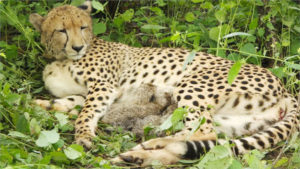
Sheopur: Good news has once again emerged from Kuno National Park in Madhya Pradesh, with India’s cheetah population increasing to 56 following the birth of four cubs.
Female cheetah KGP12, which was born in India, gave birth to four cubs at Kuno National Park on September 18, 2026. With the addition of the newborn cubs, the number of living cheetahs in the country has increased from 52 to 56.
Madhya Pradesh Chief Minister Dr. Mohan Yadav welcomed the development, describing it as a symbol of hope, resilience and progress in India’s cheetah conservation efforts.
He said the birth of the cubs marks another important milestone in the cheetah conservation journey that began at Kuno National Park on September 17, 2022, with the reintroduction of cheetahs to India.
Four Cubs Born Just After Project Cheetah Completes Four Years
The four cubs were born just a day after the completion of four years of Project Cheetah.
According to the Chief Minister, the development is a significant achievement for the conservation programme and indicates that Kuno’s habitat is providing suitable conditions for cheetah breeding and conservation.
Yadav congratulated the officials, wildlife experts, veterinarians, forest personnel and field staff associated with Project Cheetah and expressed his best wishes for the continued protection of the animals.
India’s Cheetah Population Increases From 52 to 56
Before the birth of the four cubs, India was home to 52 living cheetahs. The arrival of KGP12’s four cubs has increased the country’s living cheetah population to 56.
The latest births also take the number of cheetahs born in India since the launch of the reintroduction programme to 36, further expanding the India-born generation.
The development is particularly significant because KGP12 herself was born in India, demonstrating that cheetahs reintroduced to the country have progressed to successive generations under the conservation programme.
Project Cheetah Began With Eight Cheetahs From Namibia
India’s cheetah reintroduction programme began on September 17, 2022, when eight cheetahs arrived at Kuno National Park from Namibia.
The programme was subsequently expanded through additional translocations:
– September 17, 2022: Eight cheetahs arrived in India from Namibia.
– February 2023: Twelve cheetahs were brought from South Africa.
– February 2026: Nine cheetahs were brought from Botswana.
– 2026: Cheetah breeding in India continued, including the latest birth of four cubs to India-born female KGP12.
The combination of international translocations and successful breeding in India has helped expand the country’s cheetah population.
Madhya Pradesh Becomes the Centre of Cheetah Conservation
Madhya Pradesh remains the primary centre of India’s Project Cheetah.
Before the latest births, 49 cheetahs were reported at Kuno National Park and three at Gandhi Sagar Wildlife Sanctuary. With the addition of the four cubs, Kuno’s population has risen to 53, taking the total number of living cheetahs in Madhya Pradesh to 56.
Cheetah conservation efforts have also been expanded beyond Kuno, with Gandhi Sagar Wildlife Sanctuary becoming another important site for the programme.
From Reintroduction to Breeding
The cheetah conservation programme has now moved beyond its initial reintroduction phase and into a broader stage focused on breeding and establishing a sustainable population in India.
The birth of four cubs to an India-born female represents another step in that process. It also highlights the importance of habitat management, veterinary care, monitoring and protection of breeding cheetahs and cubs.
Government and Wildlife Teams Continue Conservation Efforts
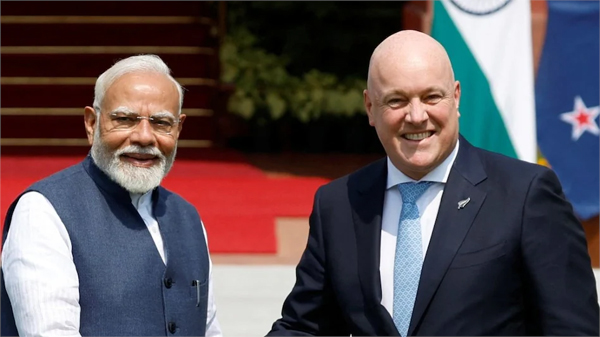
Project Cheetah was initiated under the leadership of Prime Minister Narendra Modi and is being implemented in Madhya Pradesh with the participation of the state government, Forest Department, wildlife experts, veterinarians and field personnel.
Teams are involved in monitoring the cheetahs, providing veterinary care, managing habitats and ensuring the safety of the animals.
The birth of KGP12’s four cubs adds a new generation to India’s growing cheetah population and marks another milestone in the country’s ongoing effort to establish a viable cheetah population.
Share:











Indore (HO)
Bhopal
Jabalpur


©2026 Agnibaan , All Rights Reserved