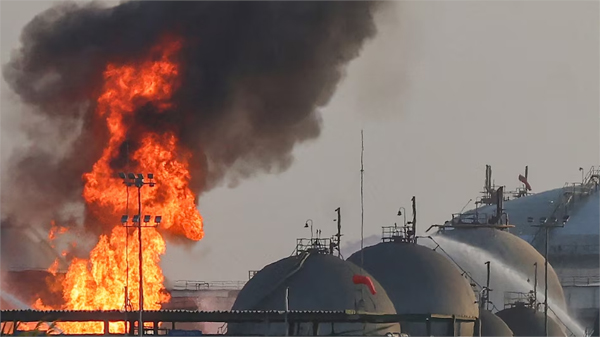

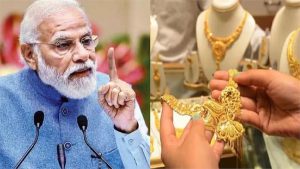
New Delhi: The eyes of the entire world are currently fixed on the ongoing conflict between the United States (US) and Iran. This conflict, which began on February 28, has thrown the global market into turmoil. Alarm bells have also started ringing for India, as the supply of petrol, diesel, and cooking gas (LPG)—which arrives from the Gulf nations—has been adversely affected. In these challenging times, Prime Minister Narendra Modi has issued a significant appeal to the citizens of the country. He has stated that, in order to navigate this crisis, we should refrain from purchasing gold for the next one year. Prime Minister Modi has advised not only against buying gold but also suggested cutting down on the consumption of cooking oil, petrol, and diesel.
You might now be wondering: what exactly do refraining from buying gold or reducing the use of cooking oil have to do with the war and our economy? In reality, this constitutes PM Modi’s long-term strategy for ‘crisis management.’ Whenever we import goods from abroad, we are required to make payments in US dollars. Due to the ongoing conflict, the dollar is appreciating in value while the Indian rupee is depreciating. PM Modi wants us to curtail those needs that are not absolutely essential, thereby preserving our foreign exchange reserves and ensuring that the nation’s economic health does not deteriorate.
The Math Behind Not Buying Gold
India’s deep-seated fascination with gold is no secret. Statistics reveal that India imports gold worth approximately ₹6 lakh crore from abroad every year. This represents a colossal sum—one that necessitates a massive outflow of dollars to settle the payments. PM Modi has appealed to the public to refrain from purchasing gold jewelry for a period of one year, in the interest of the nation. He recalled a time when, during national crises, people would voluntarily donate their gold; while such donations are not required today, he urged citizens to simply resolve not to place an additional burden on the country’s foreign exchange reserves by purchasing gold over the coming year. However, PM Modi’s appeal regarding gold has had a direct impact on both the jewelry industry and the stock market. Jewelry traders across the country are concerned that if people stop purchasing gold, the entire industry could face a complete collapse, thereby jeopardizing the livelihoods of millions of families associated with this sector. Meanwhile, the appeal also had a negative effect on the stock market, as investors interpreted the PM’s remarks as a potential signal of a major economic crisis looming in the future.
In reality, the rationale behind this economic appeal regarding gold is rooted in the dynamics of foreign exchange and the balance of trade (imports and exports). Amidst current global circumstances, India’s gold imports remain at a significantly high level, which, in turn, influences the demand for the US dollar in the international market. From an economic perspective, India’s imports currently exceed its exports. Consequently, whenever foreign payments need to be settled, the demand for dollars surges. As a result, under the prevailing conditions, the country is compelled to spend a greater amount of rupees to acquire the necessary dollars compared to the past.
Analysts and experts believe that there are three primary reasons behind PM Modi’s ‘Gold Strike’ initiative. The first reason is that, during this uncertain period of conflict, minimizing our expenditure on dollars will help maintain the stability of the national economy. The second major reason is the government’s desire for people to recycle their existing jewelry rather than importing new gold. This approach would ensure the continued functioning of the jewelry industry while simultaneously reducing our dependence on foreign nations.
The third—and arguably most critical—reason is the escalating cost of crude oil and fertilizers, driven by the ongoing conflict. The international market has witnessed a continuous surge in the prices of these two commodities, which is directly impacting import costs. Given that India relies heavily on these commodities to meet its energy and agricultural requirements, their importation remains indispensable. However, the rising prices are placing an ever-increasing strain on the country’s import bill. Faced with this situation, the government confronts the challenge of identifying specific sectors where expenditure can be curtailed to prevent placing an undue burden on the nation’s foreign exchange reserves.
The Master Plan to Cut Down on Petrol, Diesel, and Cooking Oil Consumption
It is not just gold; India also imports crude oil worth approximately ₹11 lakh crore and edible oil worth ₹1.61 lakh crore to meet its domestic requirements. In light of this, an appeal has been issued to the public to minimize their consumption of petrol and diesel in situations where it is not absolutely essential. If stepping out for work is unavoidable, people are encouraged to utilize the metro system instead of their private vehicles, or to opt for carpooling—with multiple colleagues sharing a single vehicle—when commuting to the office. Given that petrol and diesel are indispensable commodities, drastic reductions in their consumption may not be entirely feasible. However, significant savings can be achieved in the case of edible oils and gold, as expenditure on these items can be deferred for a certain period.
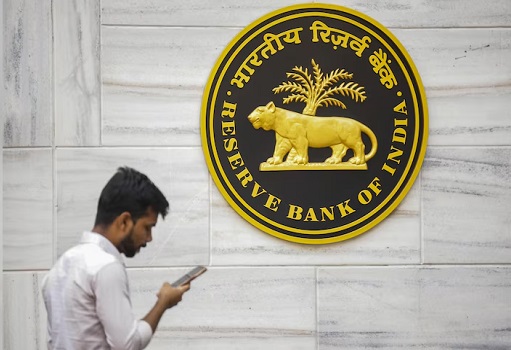
The repercussions of the ongoing tensions between Iran and the United States are now becoming evident in India’s economy as well. According to the latest data released by the Reserve Bank of India (RBI), India’s foreign exchange reserves stood at approximately $728 billion in February; by the first week of May, however, these reserves had dwindled to roughly $690 billion. This signifies a decline of approximately $38 billion over a span of just two months. A primary factor cited for this downturn is the surge in prices within the international market, which has, in turn, driven up India’s import bill. Should this situation persist over the long term—and if import volumes remain unchecked—the adverse impact on the nation’s foreign exchange reserves could become even more profound.
More than two months have elapsed since the outbreak of hostilities between the United States and Iran, yet a peace settlement remains elusive. If this conflict continues to drag on, India could face a severe crisis regarding the supply of petrol, diesel, and gas. Prime Minister Modi’s proposed strategy essentially represents a powerful synergy between the principles of ‘self-reliance’ (Atmanirbharta) and fiscal prudence. This appeal serves as a timely reminder that—even though the actual conflict may be confined to two specific nations—it remains the collective responsibility of every Indian to ensure that the fallout of such events does not adversely affect the nation’s kitchens or the pockets of the common man.
Share:








Indore (HO)
Bhopal
Jabalpur


©2026 Agnibaan , All Rights Reserved