
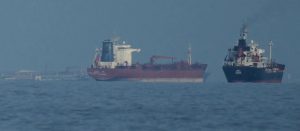
New Delhi: Amidst the ongoing tensions in the Middle East, good news has emerged from Iran. Iran’s Foreign Minister, Seyyed Abbas Araqchi, has announced that the Strait of Hormuz has been opened for commercial vessels. From now on, ships from any country will not be detained within the Strait of Hormuz. Furthermore, he stated that the Strait of Hormuz will remain open to commercial vessels—those transporting petroleum and other products from the Gulf to destinations worldwide—for as long as the ceasefire in Lebanon remains in effect. Read on to discover the specific condition laid down by the Iranian Foreign Minister regarding this decision.
The Strait of Hormuz Finally Reopens
Sharing this significant update, Iranian Foreign Minister Seyyed Abbas Araqchi posted on X (formerly Twitter): “In accordance with the ceasefire established in Lebanon, the maritime route through the Strait of Hormuz has been fully opened for all commercial vessels for the duration of the remaining ceasefire period. Vessels transiting through this route must adhere to the coordinated passage plan previously announced by the Ports and Maritime Organization of the Islamic Republic of Iran.”
20% of Global Oil and Gas Transits Through the Strait of Hormuz
The Strait of Hormuz is considered to be of paramount importance in terms of global energy supplies. Approximately 20 percent of the world’s crude oil and natural gas supply passes through this very strait. Consequently, its reopening is expected to have a positive impact on oil prices in the international market.
Iran Sets a Specific Condition for Vessels
However, while fully reopening the Strait of Hormuz, Iran has also imposed a crucial condition. The Iranian Foreign Minister clarified that commercial vessels must strictly follow the coordinated route designated by Iran’s Ports and Maritime Organization. This implies that Iran will retain complete control over maritime traffic in the region, ensuring its safe and managed operation.
Share:












Indore (HO)
Bhopal
Jabalpur


©2026 Agnibaan , All Rights Reserved